
Working with AI.
We use AI where it makes the design work sharper and faster: coded prototypes, product experiments, analysis, and the early shape of features that need trust from day one.
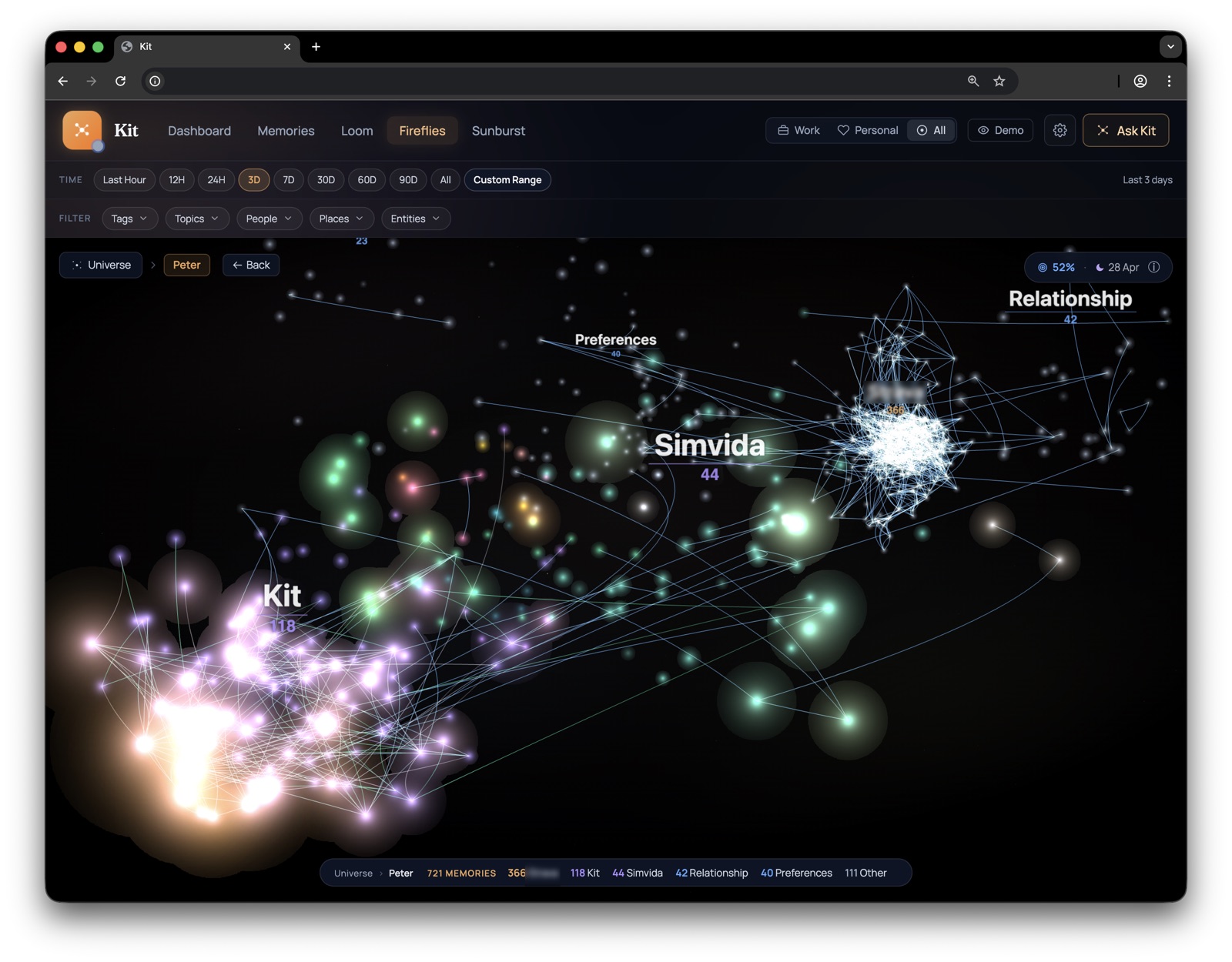
More prototypes now leave as code.
We still run the full design process: research, ideation, prototyping, testing. The difference is that more of the prototype can now live in a Git repo instead of a static file.
That changes the handoff. Your developers can inspect the interaction, reuse parts of it, or throw it away with clearer reasons. Either way, the design has met the medium earlier.
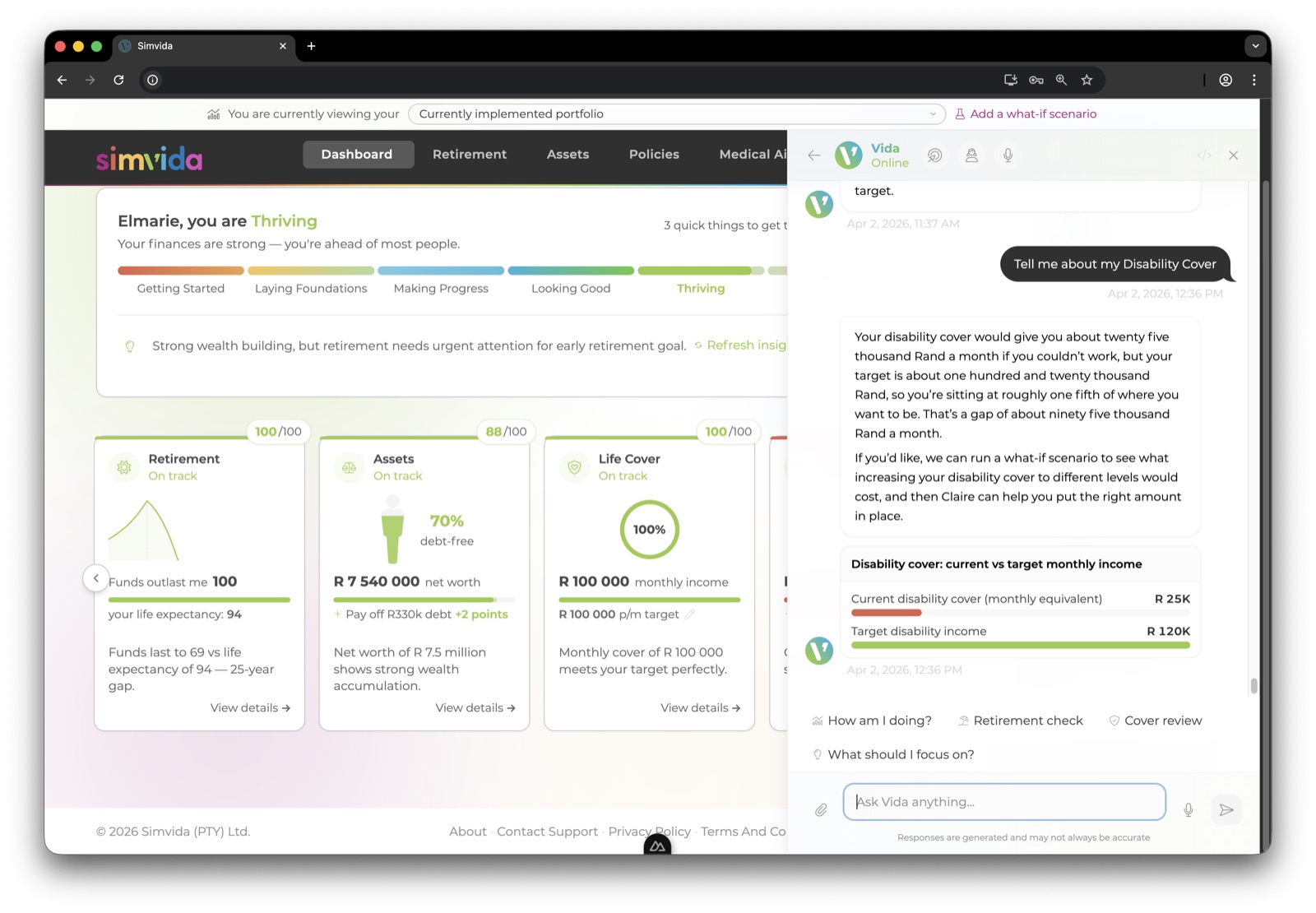
AI features need product design, not just model access.
We help teams frame AI features so users know what the system is doing, when to trust it, and how to recover when it is wrong.
Most failures we see are not model failures. They are framing, trust, workflow or rollout failures. The product has to absorb that reality.
Build still does not mean start with code.
AI has changed how fast we can iterate, and what a prototype can become. It has not removed the need to understand the user, the workflow, the service and the constraints before building the thing.
We pick the right artefact for the question. Sometimes the right artefact is code. Often it is not yet.
Got an AI feature that still feels a bit too vague?
We can help turn it into a product decision: who it is for, what it should do, where trust can break, and how it should meet the rest of the workflow.
Talk to us